





Spend enough time around a Clinical Engineering department and you’ll start to notice a pattern. There is always a technician waiting on a part that was supposed to arrive yesterday. Someone is fielding a call about equipment that suddenly became “urgent,” even though it has probably needed attention for weeks. A Facilities Manager is looking for an update because patient admissions are starting soon, while another department is asking if there is a loaner available. It is organized chaos, and for most healthcare organizations, it is simply called Tuesday.
That reality raises an interesting question. How long is too long to wait for a repair?
The answer depends on who you ask. A service provider may point to the response time outlined in the contract. A Clinical Engineering manager may weigh the criticality of the equipment. A nurse waiting for a bed to return to service will likely have a much shorter timeline in mind. The truth is that there isn’t a universal answer, but there is a more important question hiding beneath it. What is that repair actually costing the organization while everyone waits?
For decades, healthcare organizations have measured maintenance performance by response time. It makes sense because response time is easy to measure, easy to compare, and easy to include in a service level agreement. Faster sounds better, and in many cases it is. But healthcare operations have a funny way of reminding us that simple metrics rarely tell the whole story.
A technician can arrive within four hours and still leave an organization dealing with delayed patient admissions, frustrated staff, equipment shortages, and overtime costs. The work order may close on time, but the operational disruption continues long after the repair is complete. Response time matters, but it only tells us what happened after something failed. It tells us very little about why it failed, whether it could have been prevented, or what the downtime actually cost.
Every Repair Has More Than One Customer
One of the biggest misconceptions in healthcare maintenance is that equipment belongs to a single department. On paper, that might be true. In reality, every critical asset supports a network of people, workflows, and operational priorities.
Take a hospital bed, for example. Clinical Engineering maintains it. Environmental Services prepares it for the next patient. Facilities depends on it to keep rooms operational. Nursing relies on it to provide safe, uninterrupted patient care. Supply Chain may be responsible for replacement components, while leadership expects the entire process to happen efficiently, safely, and without unnecessary cost. The moment that bed is removed from service, the impact extends far beyond the maintenance shop.
That is one of the realities that makes healthcare operations unique. Equipment failures rarely stay contained within one department. A delayed repair can influence patient throughput, room turnover, staffing, and even financial performance. Hospitals do not struggle because people fail to do their jobs. More often, they struggle because everyone is doing their job exceptionally well, but not always with the same information.
Ask five departments who owns a hospital bed, and you might get six different answers. That isn’t because anyone is confused. It’s because everyone has a legitimate stake in keeping that equipment available.
The Invoice Doesn’t Tell the Whole Story
When an equipment repair is complete, the invoice usually reflects labor, parts, and perhaps travel time. Those costs are easy to calculate.
What is much harder to calculate is everything that happened while the equipment was unavailable.
Did staff spend time searching another unit for a replacement? Did patient admissions slow because a room could not be turned over? Did technicians postpone preventive maintenance on other equipment to respond to an emergency? Did managers spend part of their afternoon making phone calls instead of focusing on larger operational priorities?
None of those costs appear on the work order, yet they represent real operational expenses. In many cases, the repair itself becomes one of the least expensive parts of the problem.
Think of it this way. If your car breaks down on the way to work, the repair bill is only part of the cost. There is also the missed meeting, the inconvenience, the rental car, and the time spent rearranging your day. Healthcare operates on the same principle, except the stakes are significantly higher.
This is why leading healthcare organizations are beginning to evaluate maintenance differently. They are asking not only how quickly equipment can be repaired, but how equipment reliability influences the entire operation.
Are We Measuring the Right Things?
Healthcare has no shortage of metrics. Most organizations can tell you how many work orders were completed last month, how many preventive maintenance inspections were performed, and what their average response time looks like. Those numbers are valuable, but they are only pieces of a much larger picture.
Imagine two hospitals.
Hospital A averages a four-hour response time. Hospital B averages eight hours.
Most scorecards would declare Hospital A the winner without much debate.
Now imagine Hospital A experiences twice as many emergency repairs because preventive maintenance is inconsistent and equipment history isn’t being analyzed. Hospital B, on the other hand, has invested in standardized inspections, better communication, and asset performance reporting. Equipment failures occur less frequently because potential issues are identified before they become emergencies.
Which hospital has the stronger maintenance program?
The answer is no longer obvious.
Fast response times are important. Fewer emergency repairs are even better.
The best maintenance programs are not simply measured by how quickly technicians respond. They are measured by how reliably equipment performs over time. That requires looking beyond individual work orders and understanding patterns that develop over months and years.
Every Work Order Tells a Story
Maintenance data has an interesting habit. It starts as paperwork and eventually becomes a roadmap.
A single repair may not reveal much, but repeated repairs on the same asset often tell a different story. They may indicate equipment that has reached the end of its useful life. They may reveal a recurring failure that should influence replacement planning. They may even uncover opportunities for staff education if damage consistently occurs under similar circumstances.
Unfortunately, many organizations collect enormous amounts of maintenance information without ever translating it into operational insight.
Hospitals certainly do not suffer from a lack of data. If anything, they are drowning in it. The challenge is figuring out which information actually helps leaders make better decisions. More reports do not necessarily create more clarity. Sometimes they simply create thicker binders.
The organizations that gain the greatest value from maintenance programs are the ones using information to guide future decisions instead of simply documenting past events.
Reliability Begins Long Before Something Breaks
There has been an important shift in healthcare maintenance over the last several years. More organizations are recognizing that success is not defined by how efficiently they respond to emergencies. Success is defined by how effectively they prevent emergencies from happening in the first place.
That shift changes the conversation.
Preventive maintenance becomes more than a regulatory requirement. Equipment history becomes more than a collection of work orders. Reporting becomes more than a monthly summary. Instead, each becomes part of a larger strategy to improve reliability across the organization.
Reliable equipment creates reliable operations. Reliable operations reduce stress on staff, improve patient flow, strengthen compliance efforts, and create greater confidence for leadership. Those outcomes cannot be achieved through faster repairs alone. They require communication, planning, visibility, and a willingness to look beyond the next work order.
Looking Beyond the Repair
Healthcare has never needed another vendor that simply fixes equipment. It needs partners who understand how equipment performance influences the broader operation.
At Emeritus Clinical Solutions, we believe maintenance should create more than completed work orders. It should create knowledge. Every inspection, preventive maintenance activity, and repair generates information that can help organizations improve reliability, strengthen capital planning, reduce operational disruption, and connect departments that too often operate in silos.
That philosophy changes the role of maintenance from a reactive function into a strategic advantage. Instead of asking, “How quickly can we fix this?” organizations begin asking, “What can we learn from this?” The answer often leads to fewer emergencies, better planning, and stronger operational performance.
So, how long is too long to wait for a repair?
The answer will always depend on the situation.
A better question is whether your maintenance program is helping reduce the number of repairs your team has to respond to tomorrow. Because the strongest healthcare operations are not built on faster reactions. They are built on smarter decisions long before something breaks.
What does downtime look like from where you sit?
Different departments experience the same equipment problem differently. Join Next Level HTM and bring your perspective to the conversation.
JOIN THE CONVERSATION → NEXTLEVEL HTM
Related Posts

Are We Replacing Beds Too Soon?
Walk through almost any hospital and you’ll eventually hear someone make the same observation. “These…
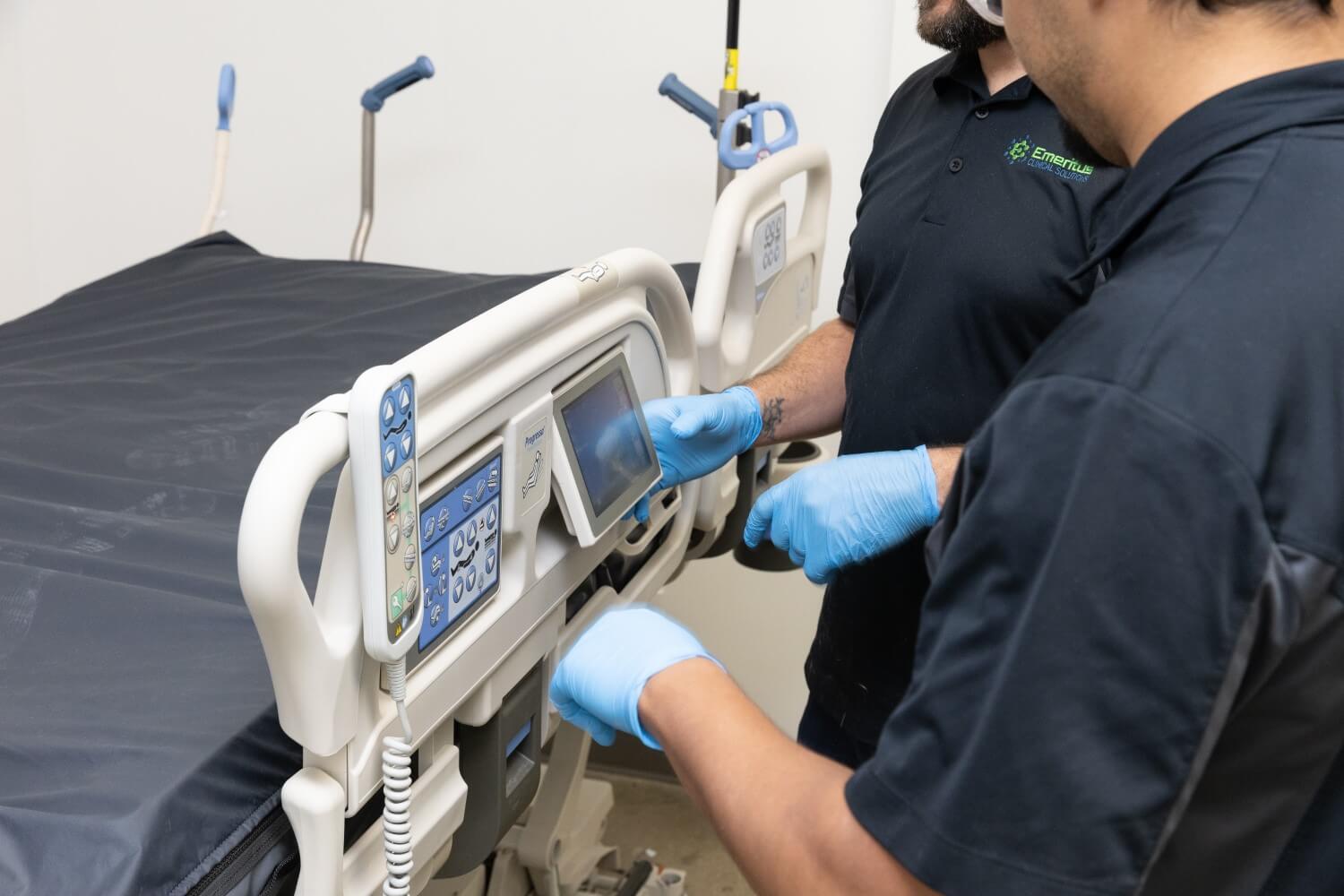
The Future of Healthcare Equipment Management: From Reactive Repairs to Proactive Systems
Healthcare is undergoing a transformation, and one of the most significant shifts is in…
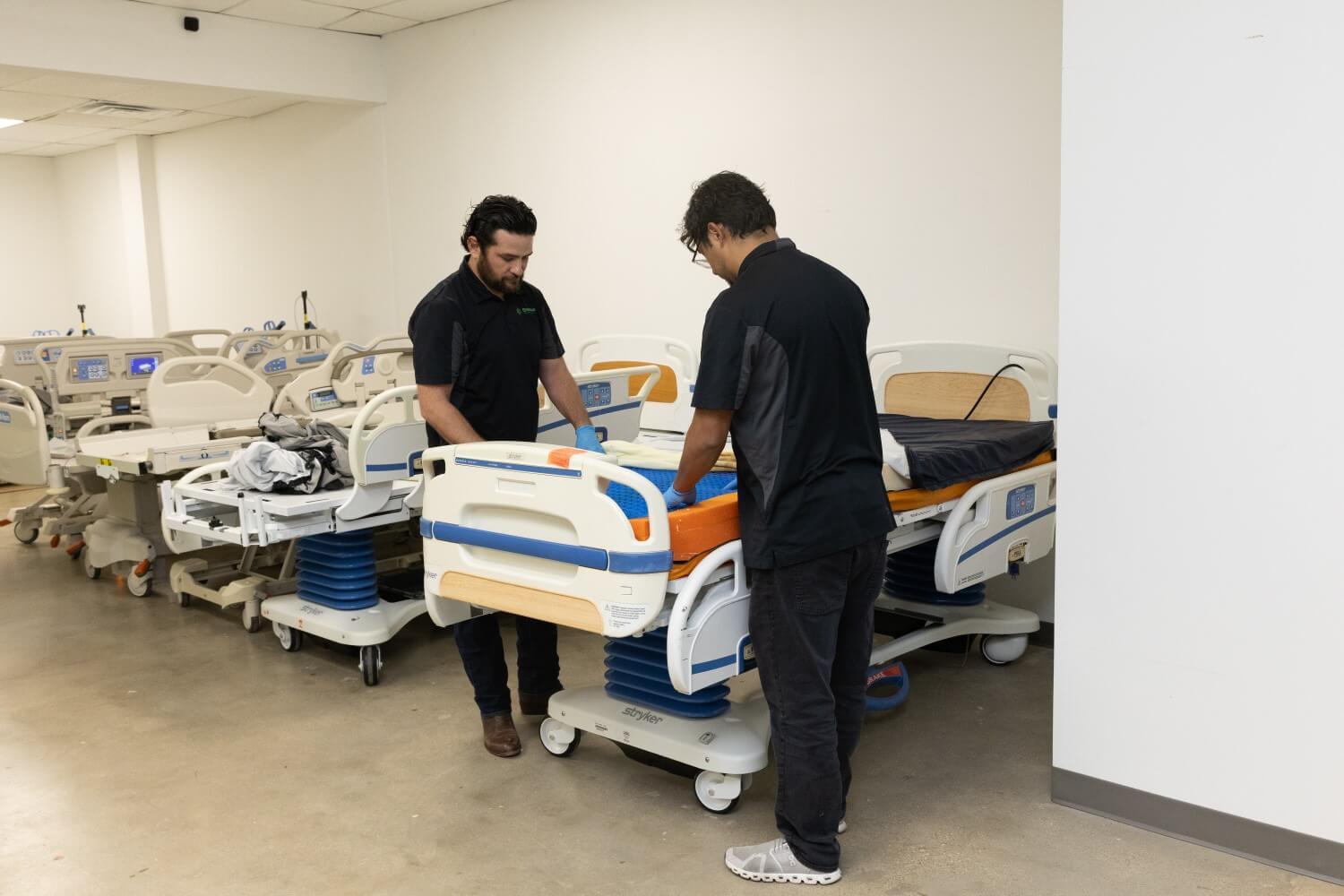
Pre-Survey Panic: How to Pass Equipment Inspections Without the Scramble
When regulatory inspections are on the horizon – whether from The Joint Commission, DNV,…
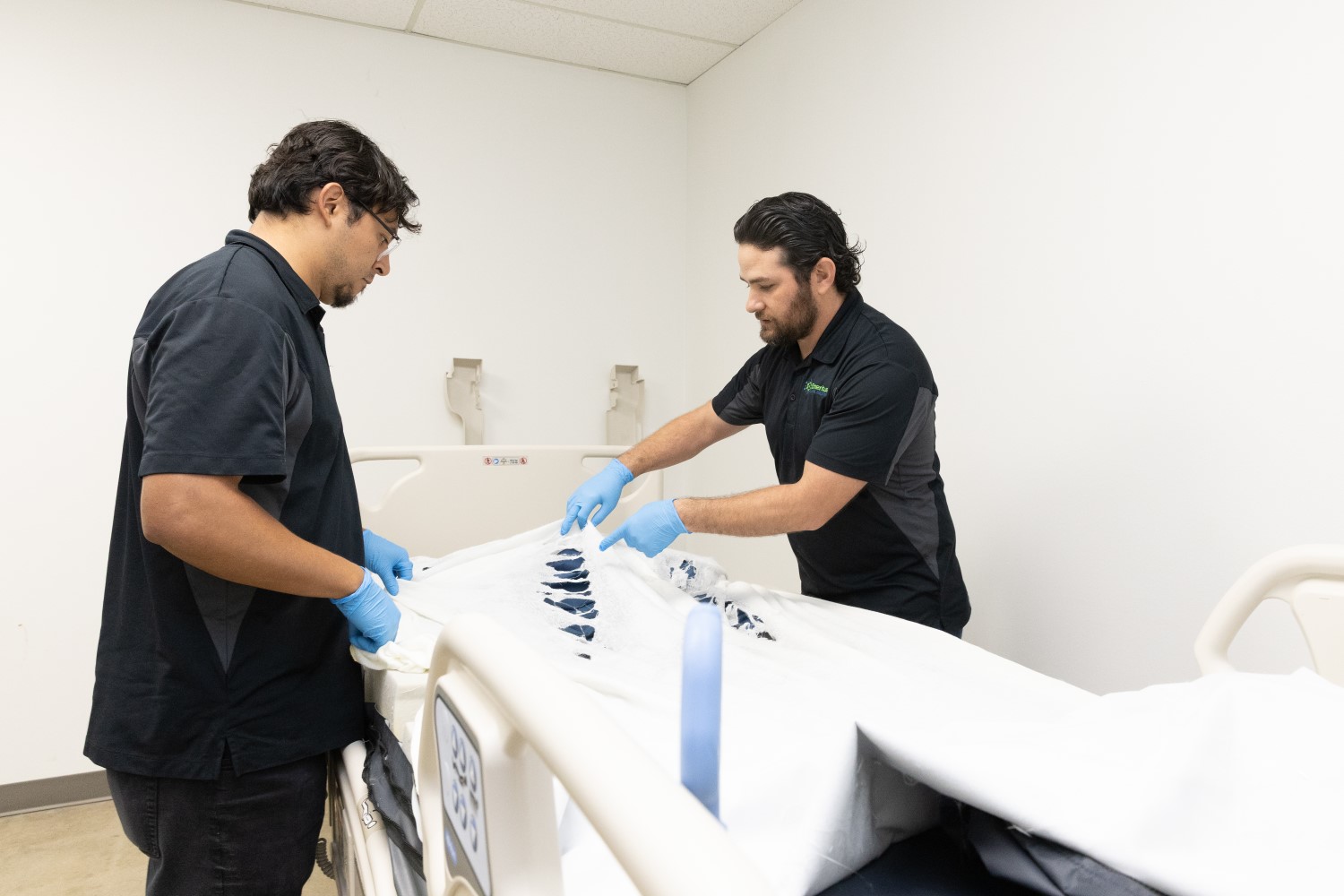
Beyond Repairs: The Strategic Advantage of Partnering with Bed Maintenance Experts
For most hospitals, bed maintenance has traditionally been an operational necessity – something that…