





Walk through almost any hospital and you’ll eventually hear someone make the same observation.
“These beds are getting old.”
It usually comes up during budget discussions, capital planning meetings, or while walking through a patient unit. No one says it with bad intentions. Hospital beds don’t last forever, and every healthcare organization has to decide when it’s time to invest in new equipment. Replacing aging assets is simply part of managing a modern healthcare facility.
What is interesting, however, is how often the conversation ends there.
Age has become one of the most common reasons to replace a bed, largely because it’s objective. Everyone can agree on the purchase date. It fits neatly into a spreadsheet, aligns with depreciation schedules, and makes long-term budgeting easier. The problem is that purchase dates don’t tell us how an asset has actually performed. They don’t reveal how heavily it has been used, how well it has been maintained, or whether it continues to support patient care reliably.
That raises a question more healthcare organizations should be asking.
Are we replacing beds because they have reached the end of their useful life, or simply because they have reached a certain age?
The distinction matters. Capital budgets continue to tighten, demand for equipment continues to grow, and every replacement decision competes with countless other organizational priorities. Making the right decision has never been more important.
Age Tells Part of the Story
There is nothing inherently wrong with using age as part of a replacement strategy. In fact, it would be irresponsible to ignore it entirely. Manufacturers publish expected service lives for good reason, and no organization wants to hold onto equipment so long that reliability, compliance, or patient safety are compromised.
The problem begins when age becomes the only factor driving the conversation.
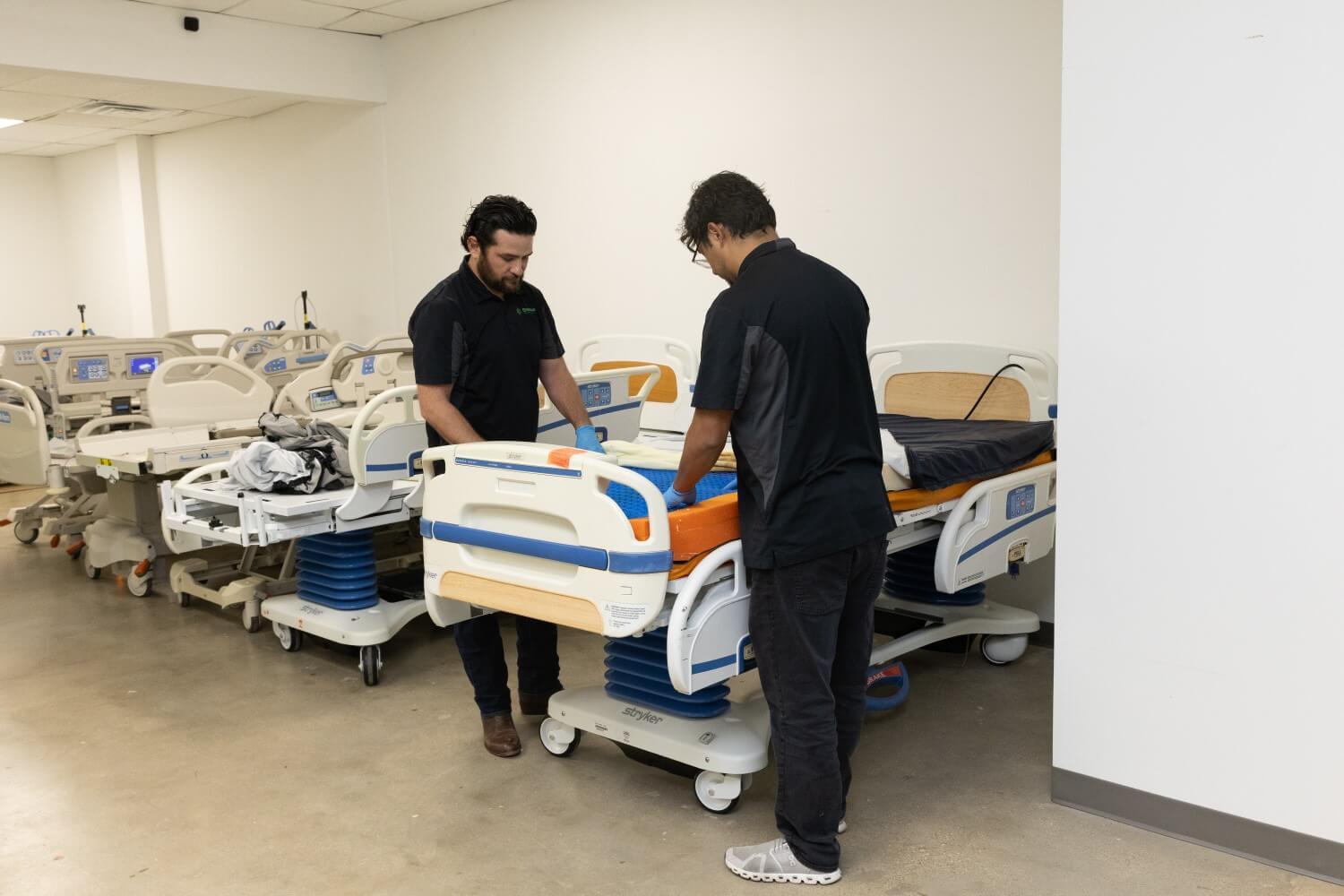
Consider two hospital beds purchased on the same day. One has spent a decade in a busy emergency department, supporting a constant flow of patients around the clock. The other has been used in a specialty unit with significantly lighter utilization and has required little more than routine preventive maintenance. Although the beds share the same birthday, they have lived entirely different lives. Assuming they should both be replaced at the same time simply because the calendar says so overlooks the information that matters most.
It’s similar to shopping for a used car. Two vehicles built in the same year rarely have the same value. Mileage matters. Maintenance history matters. Overall condition matters. Most of us wouldn’t buy a car based solely on its model year, yet hospitals often make multimillion-dollar capital decisions using the equivalent approach.
Healthcare equipment deserves a more thoughtful evaluation.
The Cost of Replacing Too Soon
When organizations discuss equipment replacement, the conversation almost always centers on the risks of waiting too long. That’s understandable because those risks are easy to imagine. Unexpected failures create downtime, increase repair costs, frustrate clinical staff, and can ultimately affect patient care. No leader wants to explain why critical equipment remained in service after it should have been replaced.
What receives far less attention is the cost of replacing equipment before it is actually necessary.
Every early replacement consumes capital that could have been invested somewhere else. It may delay renovations, postpone technology upgrades, or reduce funding available for entirely different clinical priorities. Those tradeoffs aren’t always obvious because they rarely appear on the purchase order. The invoice reflects the cost of the new equipment, but it doesn’t reflect the opportunities that investment displaced.
Healthcare organizations make these tradeoffs every day. The goal isn’t to minimize spending or maximize equipment age. The goal is to allocate limited resources where they create the greatest value for patients, caregivers, and the organization as a whole. Replacing equipment too early can be just as costly as replacing it too late, even if the consequences are less visible.
Your Maintenance Program Already Knows the Answer
One of the most valuable tools for making better replacement decisions already exists inside nearly every healthcare organization. It isn’t a new software platform or an artificial intelligence application. It’s the maintenance history that’s been collected for years and too often overlooked once a work order is closed.
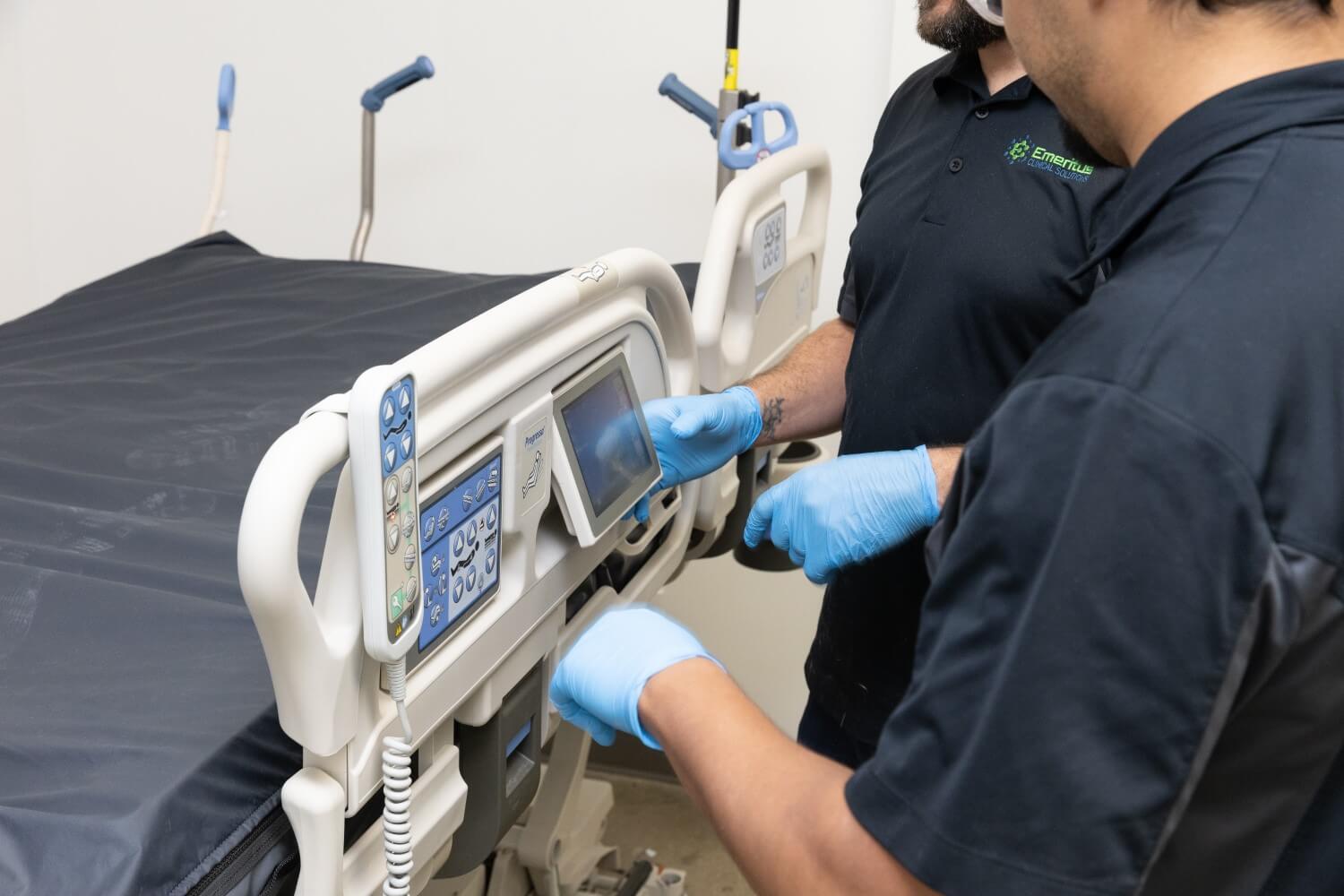
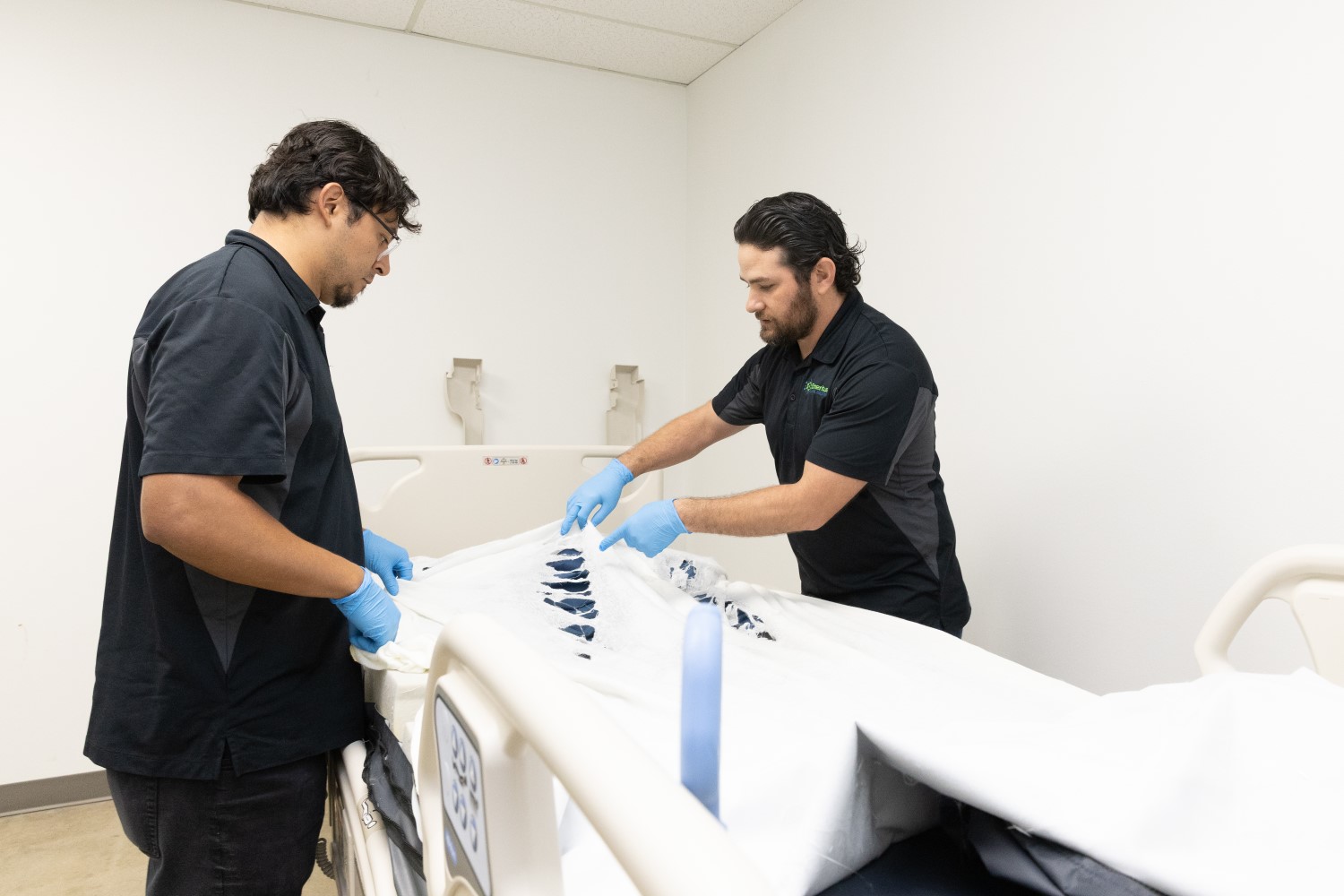
Every preventive maintenance inspection, repair, parts replacement, and service call contributes another piece to an asset’s story. Viewed individually, those records may seem routine. Viewed together, they begin to reveal patterns that are difficult to ignore. A bed that requires repeated actuator replacements, recurring side rail repairs, or frequent service interruptions is telling you something. Likewise, a bed that consistently passes inspections with minimal repairs is telling you something as well.
The challenge is that many organizations treat maintenance records as documentation rather than intelligence. Once compliance requirements have been satisfied and the work order is complete, the information is archived until someone needs it for an audit. That’s unfortunate because maintenance history is one of the strongest indicators of future reliability. It provides evidence that can help organizations distinguish between equipment that merely looks old and equipment that is genuinely approaching the end of its useful life.
Hospitals often believe they need more data to make better decisions. In reality, they frequently need to make better use of the data they already have.
Replacement Planning Should Be Evidence-Based
The strongest capital planning strategies don’t begin with a purchase request. They begin years earlier with consistent inspections, accurate maintenance records, and an honest understanding of how equipment is performing in the real world. When those pieces come together, replacement planning becomes far less subjective.
Age still plays an important role, but it becomes one part of a much broader conversation. Leaders can evaluate whether maintenance costs are increasing, whether downtime is becoming more frequent, whether parts are becoming difficult to obtain, and whether equipment condition is beginning to affect daily operations. Instead of relying on assumptions, they can make decisions supported by evidence.
That approach also changes the role of Clinical Engineering. Rather than serving primarily as the department that repairs equipment, maintenance professionals become valuable contributors to long-term capital strategy. Their inspection findings, repair histories, and operational knowledge help leadership understand not only what equipment costs to maintain today, but what it is likely to cost tomorrow. That’s information every capital planning committee should want at the table.
Looking Beyond the Calendar
At Emeritus Clinical Solutions, we’ve learned that the best replacement decisions rarely come from looking at a purchase date alone. They come from understanding the complete story of an asset: how it has been used, how reliably it has performed, what maintenance trends are emerging, and whether its condition still supports safe, efficient patient care.
Sometimes that story points toward replacement, and replacing the equipment is unquestionably the right decision. Other times, it reveals that an asset still has years of dependable service remaining, allowing organizations to redirect valuable capital toward higher priorities. Neither outcome is inherently better than the other. What matters is that the decision is informed by evidence rather than assumption.
So, are we replacing beds too soon?
Sometimes the answer is yes. Sometimes it’s no.
The more important question is whether we’re making replacement decisions based on what the calendar tells us, or on what the equipment has been telling us all along.
Related Posts

How Long Is Too Long to Wait for a Repair?
Spend enough time around a Clinical Engineering department and you’ll start to notice a pattern.…
The Future of Healthcare Equipment Management: From Reactive Repairs to Proactive Systems
Healthcare is undergoing a transformation, and one of the most significant shifts is in…
Pre-Survey Panic: How to Pass Equipment Inspections Without the Scramble
When regulatory inspections are on the horizon – whether from The Joint Commission, DNV,…
Beyond Repairs: The Strategic Advantage of Partnering with Bed Maintenance Experts
For most hospitals, bed maintenance has traditionally been an operational necessity – something that…