



In healthcare, reliability is everything. Hospitals invest heavily in maintaining equipment, ensuring compliance, and supporting patient care through strong internal programs.
But recent events across the industry have highlighted a different kind of risk – one that does not originate inside the hospital, yet still impacts operations just as quickly.
A recent cyber disruption involving a major medical equipment manufacturer affected internal systems tied to ordering, manufacturing, and shipping. While devices remained safe to use, the disruption created delays that extended into hospital operations.
This is where the conversation shifts.
Because even when equipment is technically safe, operations can still fall behind.
The Gap Between Equipment and Operations
Most hospitals have processes in place to manage equipment performance. Preventive maintenance schedules are defined, repairs are tracked, and teams work hard to keep devices in service.
But when external dependencies are introduced, control becomes less predictable.
Delays in parts availability, slowed service response, or limited visibility into order status can quickly create backlogs. In high-use categories like hospital beds and stretchers, those delays are felt almost immediately.
Beds begin to accumulate. PMs fall behind. Staff are forced to work around unavailable equipment.
What starts as a temporary disruption can quickly become an operational issue.
Why Bed Fleets Are Especially Vulnerable
Hospital beds are among the most utilized assets in any facility, yet they are often managed within broader programs that are already stretched thin.
When disruption occurs, beds are often the first area to fall behind—not because they are unimportant, but because everything else is competing for attention.
Without dedicated focus, even strong teams can struggle to keep pace.
The Emeritus Approach: Proactive Control, Not Reactive Repair
At Emeritus, we believe stability comes from ownership, visibility, and consistency.
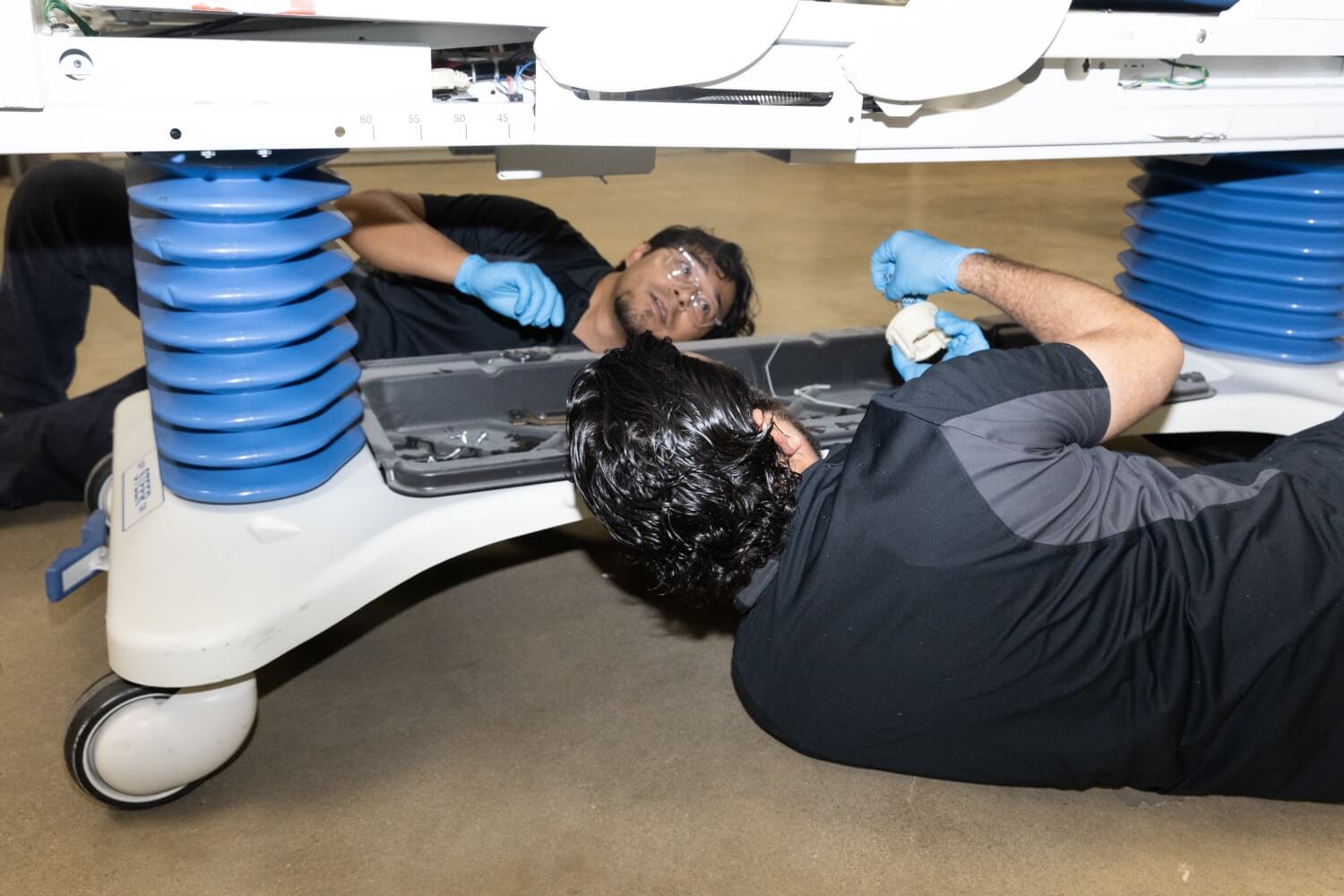
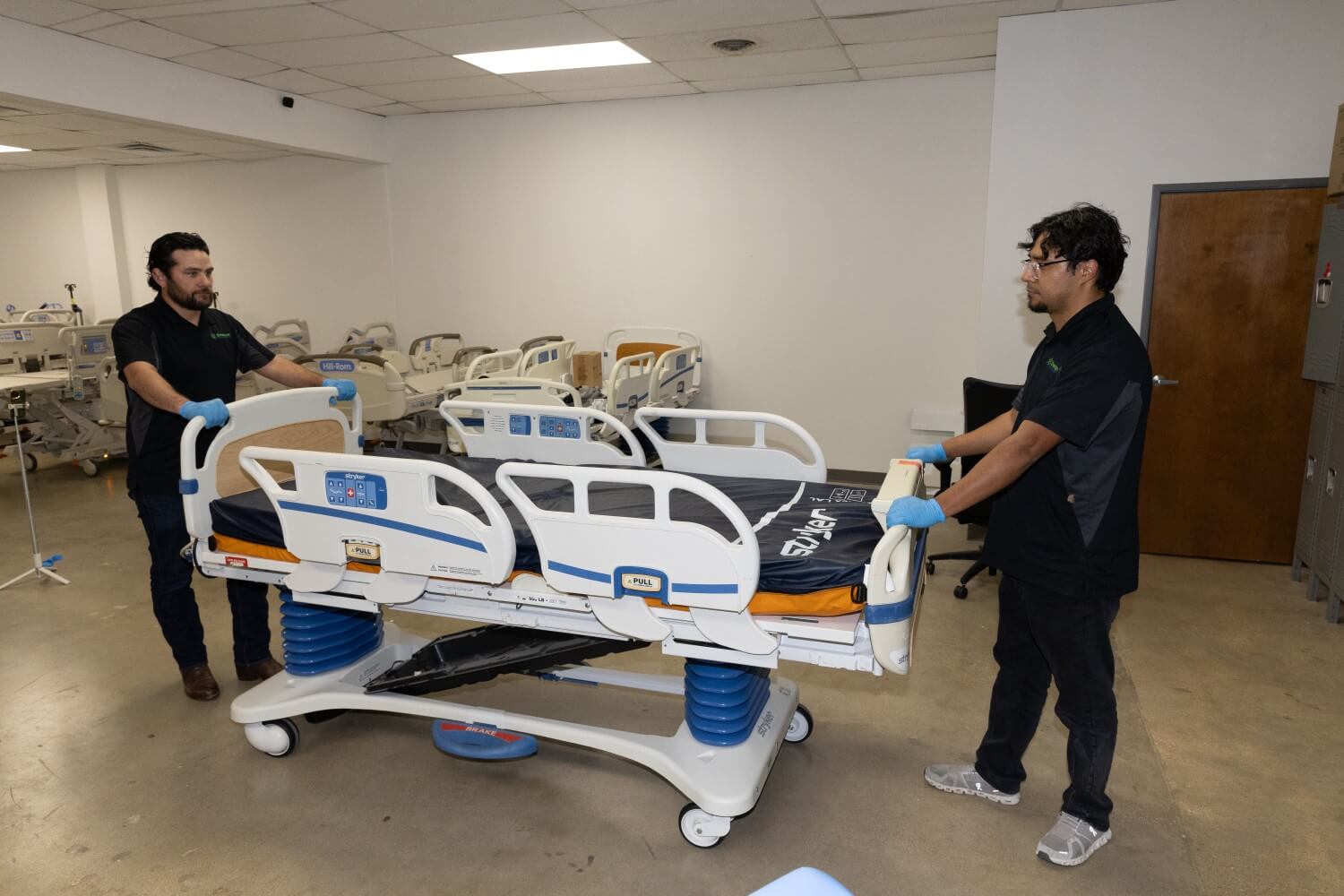
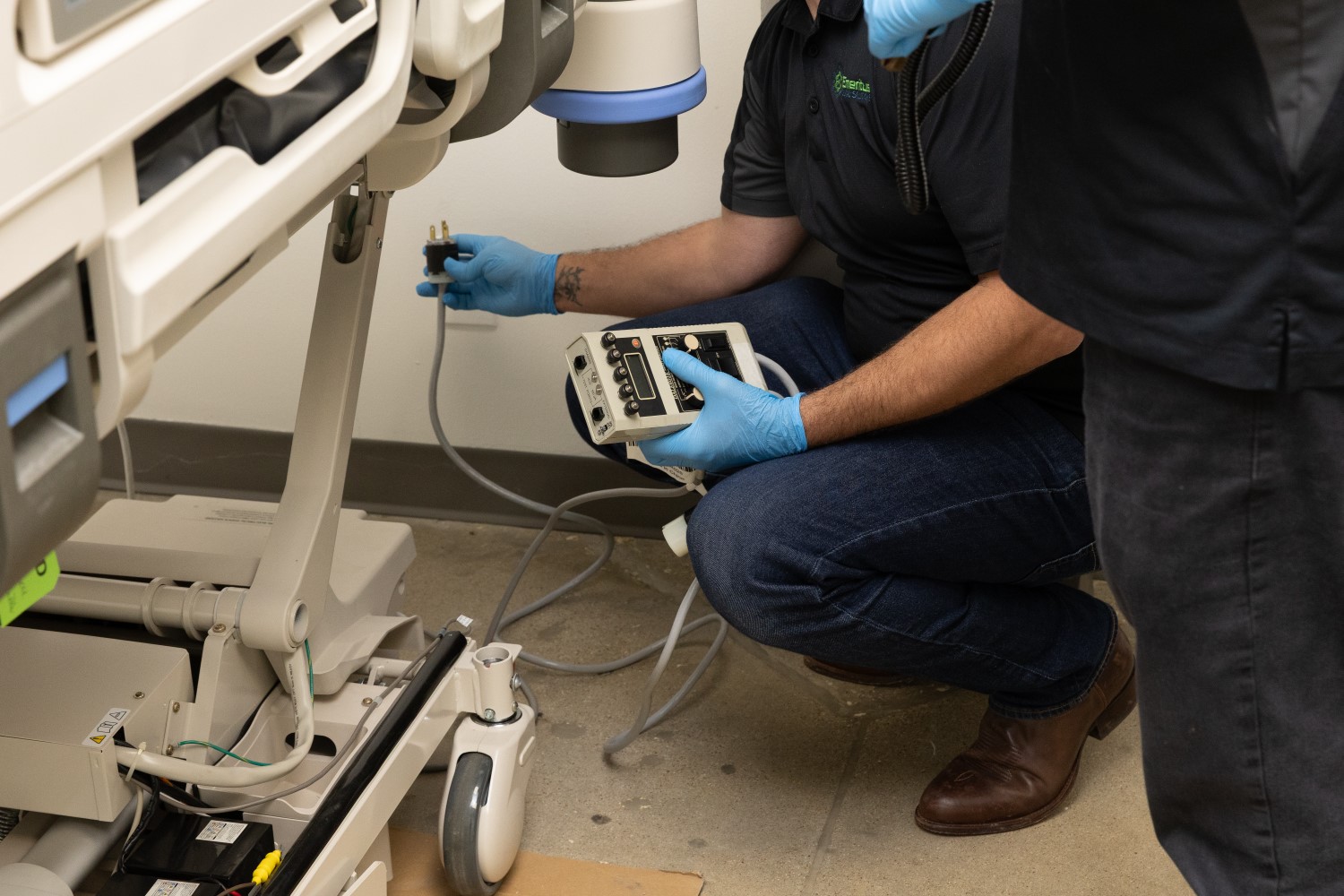
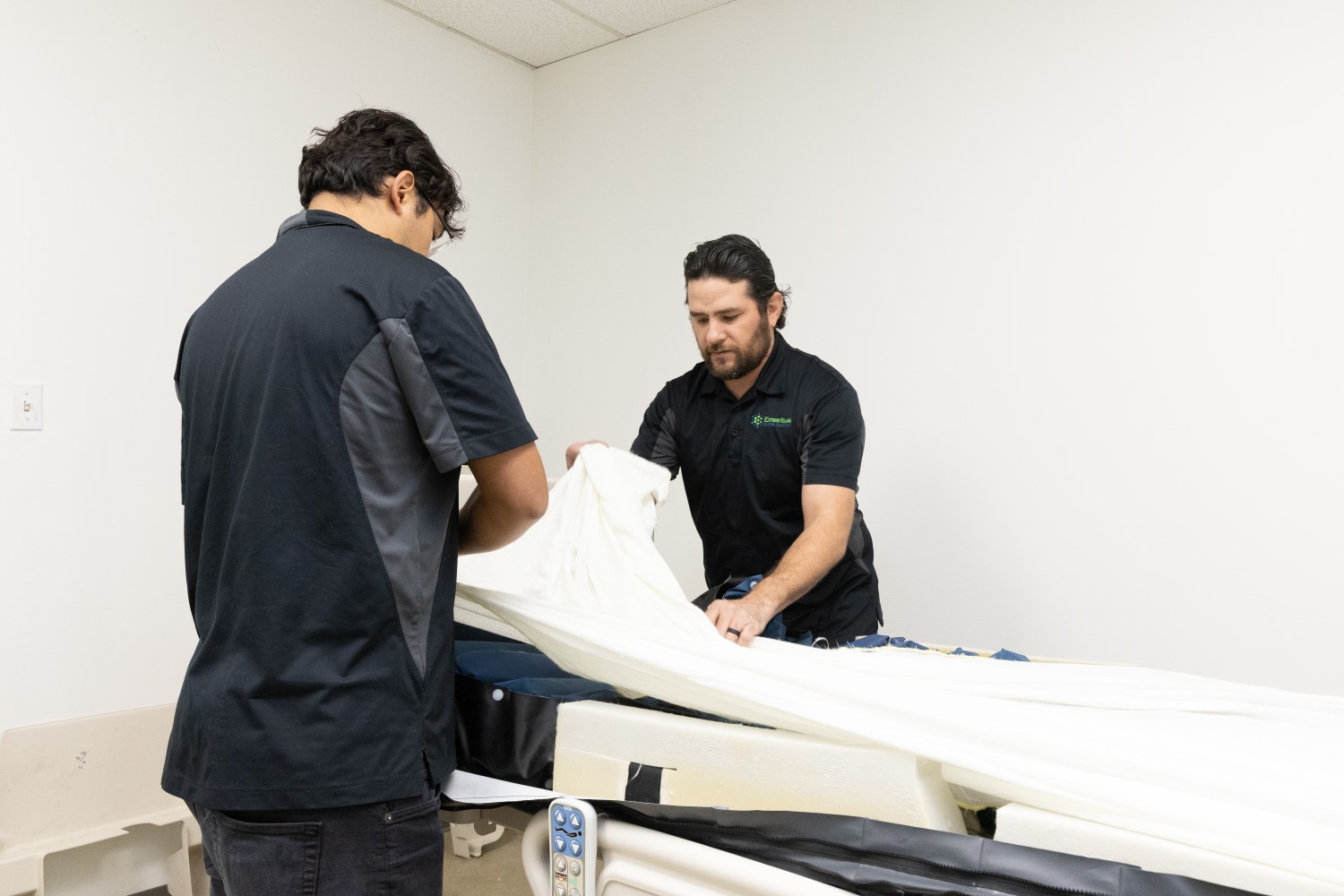
Our Bed Maintenance 2.0 model is designed to remove uncertainty by placing dedicated expertise directly inside the hospital. Instead of reacting to delays or waiting on external timelines, hospitals gain:
- On-site bed and stretcher specialists
- Consistent preventive maintenance completion
- Faster repair turnaround with stocked parts
- Clear visibility into fleet condition and performance
This approach creates a controlled environment where disruptions—whether internal or external—do not dictate the pace of operations.
Rather than asking “when will this get fixed,” teams already have the answer.
Final Thought
Disruptions will happen. That is the reality of modern healthcare infrastructure.
The question is not whether they occur, but how prepared organizations are to maintain operations when they do.
Hospitals that prioritize control over their most critical assets are better positioned to navigate uncertainty without sacrificing efficiency or patient care.
Because in today’s environment, stability is not just about keeping equipment running.
It is about staying ahead of what could slow you down.
Related Posts
Regulatory Inspections Don’t Have to Be Stressful: Here’s How to Stay Ahead of Equipment Requirements
Hospital staff and leadership know that regulatory inspections are a crucial part of maintaining…
How to Avoid the Last-Minute Scramble Before Regulatory Inspections
It’s that time of year again – regulatory inspections are around the corner. Whether…
Why Choosing Emeritus Is More Than Just Bed Maintenance
Maintaining hospital beds is a critical part of healthcare operations, but it’s more than…
Beyond Bed Repairs: How Emeritus Transforms Your Maintenance Strategy
Hospitals are under constant pressure to improve patient outcomes while optimizing costs. Yet, many…